
1715 Treasure Fleet History, Shipwreck, and Modern Queen’s Jewels Recovery in Florida

A hurricane turned one of Spain’s richest treasure fleets into one of Florida’s most famous shipwreck stories. In the summer of 1715, a convoy loaded with silver, gold, jewels, and trade goods left the Caribbean for Europe. Days later, much of it lay broken along the reefs and beaches of Florida’s Atlantic coast.
The disaster gave the region its lasting nickname, the Treasure Coast. More than 300 years later, recovery work still continues under legal permits, with Queen’s Jewels tied to modern salvage operations and a share of recovered material going to the State of Florida.

The 1715 fleet carried Spain’s wealth across the Atlantic
The 1715 fleet was part of Spain’s long-running treasure system. For centuries, Spain moved wealth from the Americas to Europe in guarded convoys. These fleets carried silver from mines in Mexico and South America, gold, emeralds, pearls, church goods, personal valuables, and commercial cargo.
By 1715, Spain badly needed revenue. The War of the Spanish Succession had recently ended, and the Spanish crown was under financial pressure. The fleet gathered in Havana, Cuba, before making the dangerous Atlantic crossing to Spain.
The convoy included ships from two major groups often described as the Nueva España fleet and the Tierra Firme fleet. Together, they carried royal treasure, private merchant goods, and valuables meant for powerful families at court.
The story of the “Queen’s jewels” comes from the belief that part of the cargo included fine jewels linked to Spain’s royal household, commonly associated with Queen Elisabeth Farnese, the new wife of King Philip V. Whether every legendary item can be tied to a specific royal owner is harder to prove, but jewels, gold objects, and elite valuables were part of the broader treasure story.
How the fleet crashed along Florida’s coast
The fleet left Havana in late July 1715. The timing was risky. Hurricane season in the Atlantic was already underway, but ships often sailed when weather windows seemed favorable. The convoy headed north along the Florida Straits, using the Gulf Stream before turning east toward Spain.
Then the weather changed.
A powerful hurricane struck the fleet near Florida’s east coast around July 31, 1715. Strong winds and heavy seas pushed the ships toward reefs and shallow water. Wooden hulls broke apart. Masts fell. Cargo spilled into the surf. Survivors struggled through darkness, waves, and wreckage.
Most of the fleet was lost along a stretch of coast between areas now associated with Sebastian, Vero Beach, Fort Pierce, and surrounding barrier islands. The exact wreck sites vary by vessel, but the disaster spread treasure and debris across miles of shoreline.
The human cost was severe. Many sailors, soldiers, passengers, and enslaved people died. Others reached shore and formed camps while waiting for rescue. Spanish authorities soon organized salvage efforts, because the lost cargo had enormous value.
The Spanish recovered a large amount soon after the wreck. They used divers, small boats, and shore camps to collect chests, coins, bullion, and goods from the shallow wreck sites. Even so, they could not recover everything. Storms, sand, reefs, and time buried part of the treasure.
What was lost and what has been found
The 1715 wrecks are famous for coins, but coins are only part of the story. Finds from the fleet help historians understand trade, ship construction, colonial economies, and daily life at sea.
Recovered items have included:
Silver pieces of eight These Spanish reales were widely used in global trade.
Gold escudos These coins are among the most prized finds from the wrecks.
Jewelry and personal objects Rings, chains, religious medals, and decorative pieces connect the wrecks to individual lives.
Ship equipment Cannons, anchors, fasteners, and tools help identify wreck locations and ship types.
Ceramics and trade goods Pottery, storage jars, and other objects show what the ships carried beyond treasure.
Every find has two kinds of value. There is market value, especially for gold coins and jewelry. There is also historical value, which can be even more important. A single artifact can help answer where a ship broke apart, how cargo moved after the wreck, or how Spanish salvage teams worked in the years after the disaster.
Queen’s Jewels and modern recovery operations in Florida
Modern treasure recovery on the 1715 fleet is not a free-for-all. The wreck sites sit in Florida waters and fall under legal and archaeological rules. Salvors must work through permits, contracts, and reporting requirements.
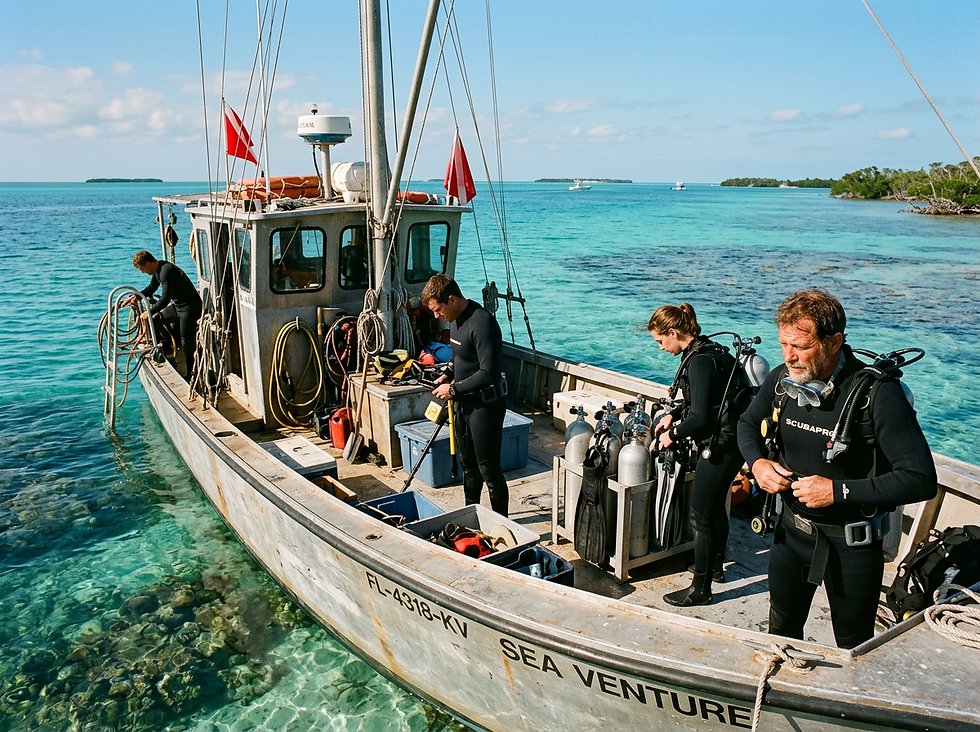
Queen’s Jewels, often connected with 1715 Fleet recovery operations, has been involved in authorized salvage work along Florida’s Treasure Coast. These operations usually take place in shallow coastal waters where storms and shifting sand can uncover or rebury artifacts.
Modern crews use a mix of old-fashioned diving skill and modern equipment, including:
Magnetometers to detect iron objects such as anchors or cannons
Metal detectors for coins, jewelry, and other small objects
Boats, air systems, and diver support gear
Mapping tools to document where items are recovered
Conservation methods to stabilize fragile artifacts
When treasure is found, the work does not end at the surface. Artifacts must be documented, cleaned, conserved, and reviewed. Coins may need identification by mint, date, and denomination. Jewelry and ship parts may need more careful study.
A key part of the modern arrangement is that 20% of recovered treasure goes to the State of Florida. This helps keep part of the cultural heritage in public hands rather than sending every recovered object into private collections. The state’s share can include artifacts of historic importance, which may be preserved, studied, or displayed.

Why the 1715 fleet still matters
The 1715 Treasure Fleet History, Shipwreck, and Modern Queen’s Jewels Recovery in Florida remains compelling because it combines empire, disaster, survival, law, and archaeology in one story. It is not just a tale of gold under the sand.
The fleet reflects Spain’s colonial system and the risks of moving wealth across oceans. The wreck shows the power of hurricanes on Florida’s coast. The continuing recovery work raises modern questions about ownership, preservation, and public history.
The Treasure Coast still earns its name. Storms can shift sand and reveal objects that have been hidden for centuries. Divers and archaeologists continue to piece together the remains of a convoy lost in a single night.
The real treasure is the fuller story each find can tell: who sailed, what they carried, how they survived, and how Florida became the resting place of one of the most famous fleets in maritime history.
Comments