
Preserving Our Maritime Heritage: The Role of Archaeology

Updated: 4 days ago
Maritime heritage is an essential part of our cultural identity, reflecting the stories of our ancestors and the evolution of human civilization. As we navigate through modern challenges, the importance of preserving our maritime heritage becomes increasingly clear. Archaeology plays a crucial role in this endeavor, uncovering the secrets of our past and ensuring that future generations can appreciate the rich tapestry of maritime history.

Understanding Maritime Heritage
Maritime heritage encompasses the cultural, historical, and archaeological aspects of human interaction with the sea. This includes shipwrecks, ports, coastal settlements, and the traditions of seafaring communities. The preservation of these elements is vital for several reasons:
Cultural Identity: Maritime heritage contributes to our understanding of cultural identities and histories. It connects us to our ancestors and their ways of life.
Education: Preserved sites serve as educational resources, allowing people to learn about maritime history and its significance.
Tourism: Maritime heritage sites can attract tourists, providing economic benefits to local communities.
The Role of Archaeology in Maritime Heritage
Archaeology is the scientific study of human history through the excavation and analysis of artifacts, structures, and other physical remains. In the context of maritime heritage, archaeology helps us uncover and preserve the remnants of our seafaring past. Here are some key roles that archaeology plays:
Excavation and Documentation
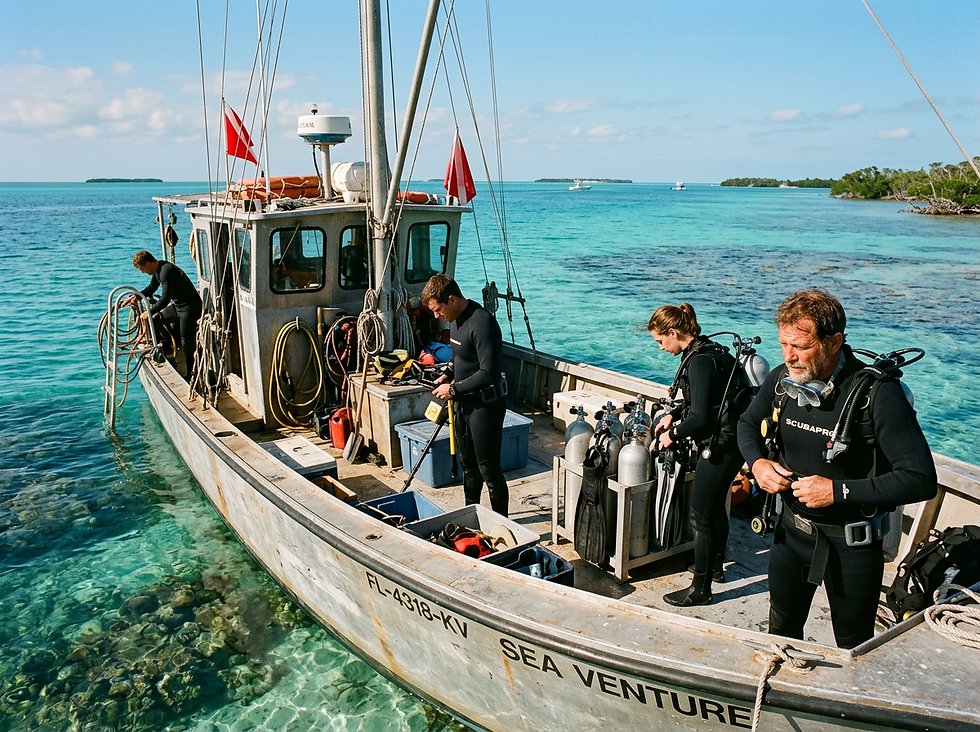
Archaeologists conduct underwater excavations to recover artifacts from shipwrecks and coastal sites. This process involves:
Mapping: Creating detailed maps of the site to document the location of artifacts and structures.
Recovery: Carefully retrieving artifacts to prevent damage and ensure accurate analysis.
Recording: Documenting the context of each find, which is crucial for understanding its historical significance.
Conservation and Restoration
Once artifacts are recovered, they require careful conservation to prevent deterioration. Archaeologists work with conservators to:
Stabilize: Ensure that artifacts are preserved in a stable condition.
Restore: Repair damaged items to their original state when possible.
Display: Prepare artifacts for exhibition in museums or educational programs.
Research and Interpretation
Archaeological findings contribute to our understanding of maritime history. Researchers analyze artifacts to:
Identify: Determine the origin and purpose of items found at excavation sites.
Contextualize: Place artifacts within the broader narrative of maritime history.
Educate: Share findings with the public through publications, lectures, and exhibitions.
Case Studies in Maritime Archaeology
Several notable maritime archaeological projects highlight the importance of preserving our maritime heritage.
The Titanic
The wreck of the RMS Titanic, discovered in 1985, has been the subject of extensive archaeological research. Key aspects include:
Artifact Recovery: Thousands of artifacts have been recovered, including personal items and ship components.
Public Engagement: Exhibitions featuring Titanic artifacts have educated millions about the tragedy and its historical context.
Ethical Considerations: Ongoing debates about the ethics of recovering artifacts from the site emphasize the need for responsible stewardship.
The Vasa Ship
The Vasa, a 17th-century warship that sank on its maiden voyage, was salvaged in 1961 and is now housed in a museum in Stockholm, Sweden. The project involved:
Preservation Techniques: Innovative conservation methods were developed to preserve the ship's wooden structure.
Cultural Impact: The Vasa has become a symbol of Sweden's maritime history and attracts over a million visitors annually.
Research Opportunities: Ongoing studies of the ship provide insights into shipbuilding techniques and naval warfare of the era.
Challenges in Maritime Archaeology
Despite its importance, maritime archaeology faces several challenges:
Environmental Threats
Climate change poses significant risks to maritime heritage sites. Rising sea levels and increased storm intensity can lead to:
Erosion: Coastal sites may be lost to erosion, making preservation efforts difficult.
Submersion: Underwater sites may become inaccessible due to changing water levels.
Funding and Resources
Many archaeological projects rely on limited funding, which can hinder research and preservation efforts. Key issues include:
Grants: Securing grants for excavation and conservation can be competitive and challenging.
Public Support: Raising awareness and support for maritime archaeology is essential for sustaining projects.
Legal and Ethical Issues
The recovery of artifacts raises legal and ethical questions, particularly regarding ownership and cultural heritage. Important considerations include:
Cultural Sensitivity: Engaging with local communities and respecting their cultural heritage is crucial.
Legal Frameworks: Navigating international laws regarding underwater cultural heritage can be complex.
The Future of Maritime Archaeology
As we look to the future, several trends and developments may shape the field of maritime archaeology:
Technological Advancements
Emerging technologies are revolutionizing archaeological practices. Innovations include:
Remote Sensing: Techniques such as sonar and LiDAR allow archaeologists to survey underwater sites without excavation.
3D Modeling: Creating digital models of artifacts and sites enhances research and public engagement.
Collaborative Efforts
Collaboration between archaeologists, local communities, and governments can strengthen preservation efforts. Key strategies include:
Community Involvement: Engaging local communities in archaeological projects fosters a sense of ownership and responsibility.
Interdisciplinary Approaches: Combining expertise from various fields, such as history, anthropology, and environmental science, can enhance research outcomes.
Education and Outreach
Increasing public awareness of maritime heritage is essential for its preservation. Effective strategies include:
Public Programs: Offering workshops, lectures, and guided tours can engage the community and promote understanding.
Digital Resources: Utilizing online platforms to share research findings and educational materials can reach a broader audience.
Conclusion
Preserving our maritime heritage is a vital endeavor that requires the collaborative efforts of archaeologists, communities, and policymakers. Through excavation, conservation, and research, archaeology plays a crucial role in uncovering the stories of our past. As we face modern challenges, it is essential to prioritize the preservation of our maritime heritage for future generations. By fostering awareness and engagement, we can ensure that the rich history of our relationship with the sea continues to inspire and educate.
The journey of preserving our maritime heritage is ongoing, and every effort counts. Whether through supporting local archaeological initiatives or simply learning more about our maritime history, we all have a role to play in this important mission.

Comments